
Compare Local Contractors for Artificial Turf Installation Success
Compare local contractors for artificial turf installation to define project scope, verify experience, and set clear expectations in writing for a successful outcome.
Artificial turf installation involves a range of services that typically include site assessment, surface preparation, material selection, and the installation process itself. Contractors may evaluate the existing landscape to determine the best approach, which can involve removing old turf, grading the ground, and ensuring proper drainage. They also handle the precise laying of synthetic grass, securing it to create a smooth, even surface that is designed to withstand foot traffic and weather conditions. Understanding the scope of work helps property owners know what to expect and ensures that the project aligns with their specific needs, whether it’s for a residential yard, sports field, or commercial space.
Defining the scope of an artificial turf installation project is essential for establishing clear expectations and avoiding misunderstandings. Property owners should work with service providers to specify details such as the size of the area, type of turf material, and any additional features like edging or infill. Documenting these elements in writing ensures that both parties agree on what is included in the project, which can prevent scope creep and help manage the overall process. A well-defined scope also provides a basis for comparing different contractors, allowing property owners to assess how each one plans to approach the work and whether their proposed methods align with the project’s goals.
When comparing local contractors for artificial turf installation, property owners should consider factors such as experience, reputation, and the range of services offered. It’s beneficial to review their portfolios or ask for references that demonstrate previous work in similar projects. Clarifying the scope of work and requesting detailed proposals can help identify which service providers are best equipped to meet specific needs. Additionally, verifying how each contractor communicates and their approach to project management can provide insight into how smoothly the work may proceed. This thorough comparison process enables property owners to select a contractor who is capable of delivering quality results aligned with their expectations.
Compare local contractors by outlining your project priorities, verifying experience, and setting clear expectations in writing.
- Compare Contractor Experience - Review the backgrounds and project histories of local contractors to ensure relevant expertise.
- Define Project Scope - Clearly outline the work to be done and expectations in written agreements before starting.
- Verify Credentials and References - Check references and previous work to assess the reliability and quality of local service providers.
- Request Detailed Proposals - Obtain comprehensive written proposals that specify the scope, materials, and responsibilities.
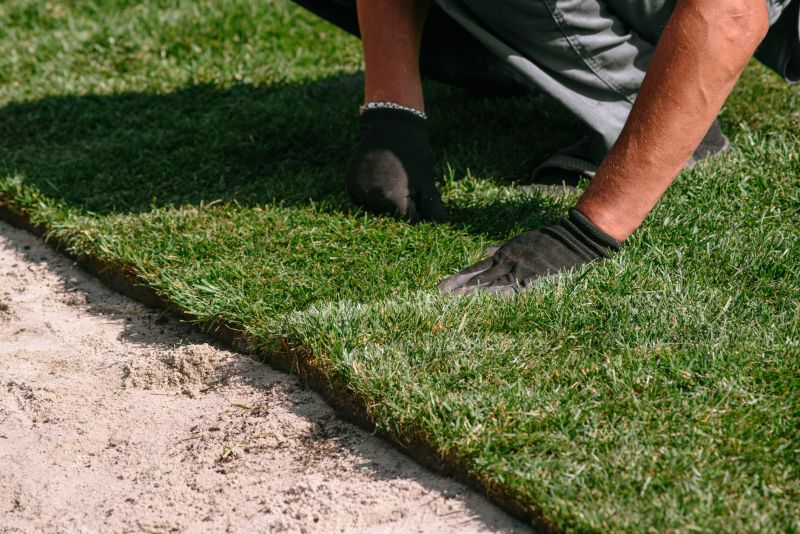
Before comparing local contractors for artificial turf installation, clearly describe your project scope and expectations.
- Verify experience and expertise in artificial turf installation to ensure quality craftsmanship. - Ensure service providers have a proven track record with similar projects in your area.
- Define the scope of work clearly in writing, including surface preparation, turf material, and installation methods. - Clear documentation helps prevent misunderstandings and sets expectations upfront.
- Check references or reviews to assess the reliability and professionalism of local contractors. - Feedback from previous clients can provide insight into the quality of work and customer satisfaction.
- Confirm that service providers use appropriate tools and techniques for proper turf adhesion and leveling. - Proper installation techniques are essential for a durable and visually appealing result.
- Discuss warranty options and maintenance recommendations to understand long-term support and care. - Written agreements about warranties and upkeep help protect the investment in artificial turf.
- Compare bids and service descriptions to identify comprehensive and consistent proposals among local contractors. - Consistent scope and detailed proposals facilitate informed decision-making.
Compare local contractors, define project scope clearly, verify experience, and set expectations in writing.
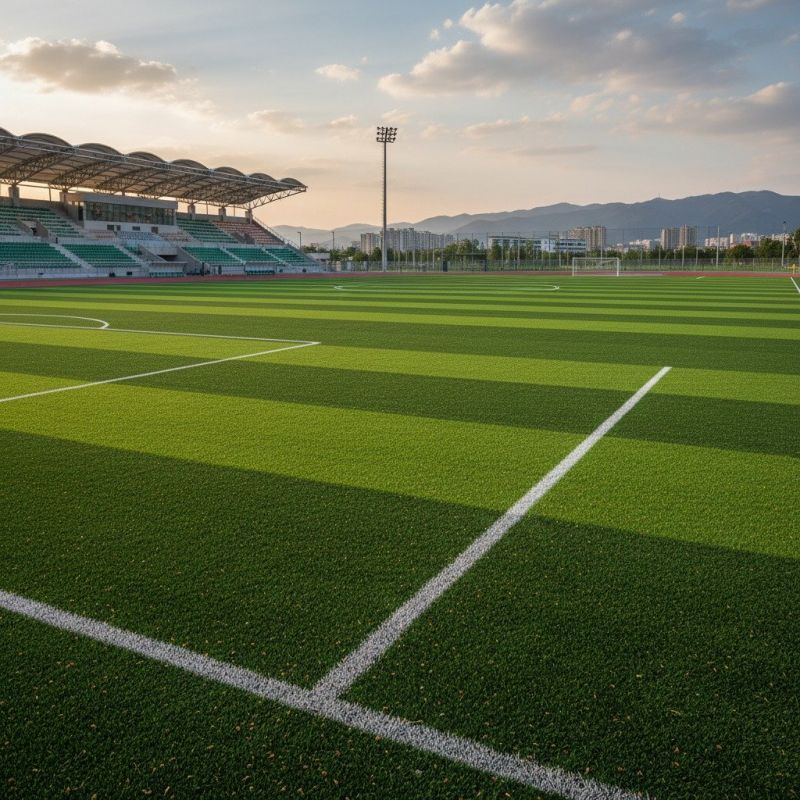
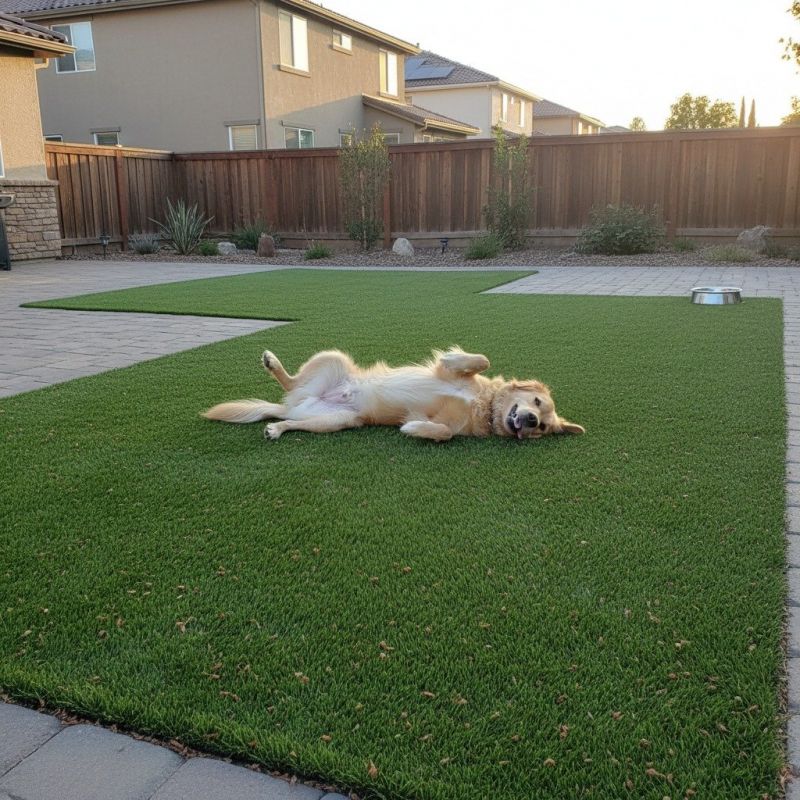
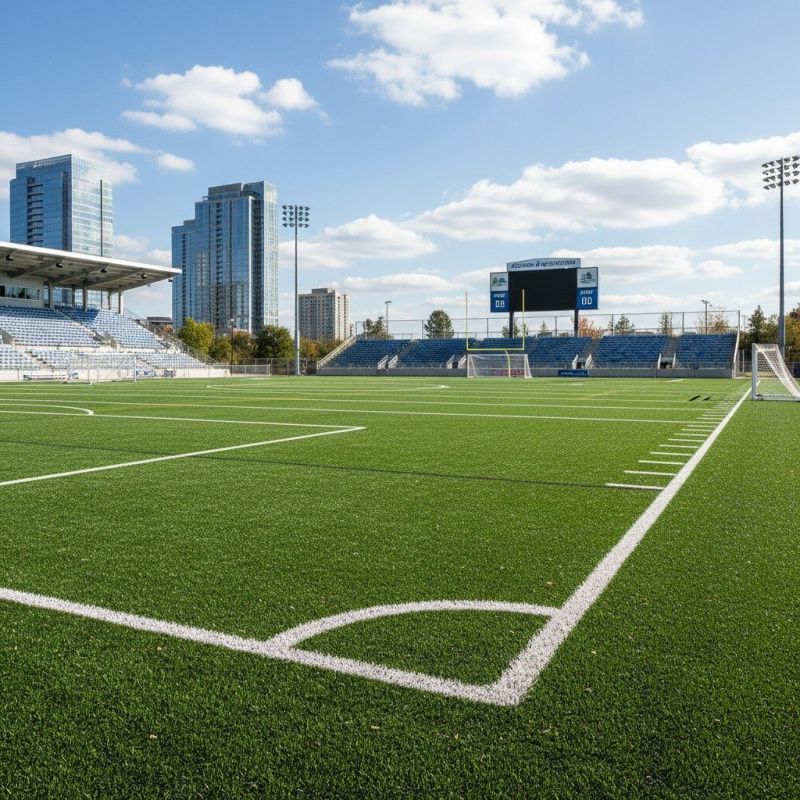

Use consistent comparison criteria across service providers to accurately evaluate scope, experience, and written expectations.
- Define project scope - clearly outline the specific areas, size, and type of artificial turf to be installed.
- Assess experience and expertise - verify that local contractors have relevant experience with artificial turf installation projects.
- Establish material specifications - specify the type, quality, and brand of artificial turf and related materials to be used.
- Set installation standards - determine the required preparation, sub-base, and installation methods to ensure proper performance.
- Document expectations in writing - create a detailed agreement that includes scope, materials, and installation procedures for clarity.
When evaluating contractors for artificial turf installation, it is important to consider their experience with similar projects. Homeowners should inquire about the types of turf installations the service providers have completed, focusing on projects comparable in size, scope, and site conditions. A contractor with a proven track record in handling projects similar to the one at hand can offer insights into potential challenges and effective solutions, helping to ensure the work aligns with expectations.
A clear, written scope of work is essential for establishing mutual understanding between homeowners and service providers. The scope should detail the specific tasks involved, such as site preparation, turf installation methods, and any additional services included. Having this information in writing helps prevent misunderstandings and provides a reference point throughout the project, making it easier to evaluate whether a contractor’s approach matches the homeowner’s needs.
Verification basics are key when comparing local contractors for artificial turf installation. Homeowners should verify that the service providers have appropriate experience and a history of completed projects similar in scope. Asking for references or reviews from previous clients can provide additional assurance of the contractor’s capabilities. It is also helpful to confirm that the contractor adheres to industry standards and best practices, which can be assessed through questions about their process and materials used.
Evaluating options without focusing on prices involves assessing the quality of services and the clarity of communication. Homeowners should compare how each contractor describes their approach, the details included in their scope of work, and their experience with similar projects. Paying attention to how well the service providers communicate and how thoroughly they understand the project requirements can help identify the most reliable and professional options. This approach ensures choices are based on expertise and clarity rather than cost alone.
Ask for written scope details to ensure clear understanding and consistent expectations with local contractors.
- Experience and Expertise - What level of experience do local contractors have with artificial turf installation projects?
- Scope of Work - How do contractors define and clarify the scope of the turf installation to ensure all aspects are covered?
- Materials and Equipment - What types of turf materials and installation tools do service providers typically use, and how do they compare?
- Project Process and Expectations - How do local contractors outline the installation process and set clear expectations in writing?
- References and Past Work - Can the service providers provide references or examples of previous artificial turf projects similar to the scope needed?
How can I compare artificial turf installation contractors? To compare contractors, review their experience, verify references, and check for clear, detailed written estimates that outline the scope of work and materials used.
What should I consider when defining the scope of the project? Clearly outline the area to be covered, type of turf, preparation work needed, and any additional features to ensure contractors understand the full extent of the job.
How do I verify a contractor's experience with artificial turf installation? Ask for examples of previous projects, request references, and confirm how long they have been performing turf installation to assess their expertise.
Why is it important to have a written agreement with a contractor? A written agreement helps set clear expectations, details the scope of work, materials, and responsibilities, reducing potential misunderstandings.
What questions should I ask a contractor before hiring? Inquire about their experience, the process they follow, the materials they recommend, and how they handle project specifics and potential issues.
How can I ensure the contractor understands my project needs? Communicate your expectations clearly in writing, including project scope and desired outcomes, and confirm their understanding before work begins.
By now, visitors should have a clear understanding of the importance of comparing local contractors for artificial turf installation. They’ve learned how to define the scope of their project, verify the experience of service providers, and set clear expectations through written agreements. This approach helps ensure that choosing the right contractor aligns with their specific needs and preferences, making the process more straightforward and informed.
To move forward, using the quote form to compare options among local contractors is encouraged. This step allows for a practical way to connect with service providers who can handle the project, helping to identify the best fit based on individual requirements. Taking the time to gather and review multiple proposals can support a confident decision-making process.